
Letter 29
Head of the Class

Dear Reader,
It’s been a while, and school seems to be a topic taking up most of my days. My job as a public-school nurse means floating from school to school. My kids are neck-deep in middle school and high school, with a few hours of homework in the evening. I am teaching an online class for a local university.
This school talk also keeps the idea of education at the top of my mind. Getting an education, having an education, has been my elixir in bobbing about the middle class. Whether idealistic or not, I view education also as the stepping stone for the students I serve, and my own kids at home.
But laced around this noble task of battling ignorance is the idea of class and where we fall amongst the classes as the more affluent wield power in a way that the lesser wealthy do not.
Most recently I thought about class as it applies to my generation, Gen X. This birth-ordering label shaped my idea of class when this summer I watched Andrew McCarthy’s documentary Brats, in which he explores how the nickname “Brat Pack” affected the young actors associated with many of the 1980s teen films.
Tangentially, the film has received mixed reviews with the neurotic McCarthy coming across as whining and putting too much emphasis on a media term slapped on the actors. But I appreciate McCarthy as he is seemingly sincere and self aware (and an avid walking adventure writer, too) that he is making the moniker too big of a deal. I was also happy for the memory trip of the films highlighted in the documentary.
So, what does this have to do with this letter’s examination of class? Good question, I have digressed a bit …
I remembered the underlying struggles of the lower-class underdogs of these movies - the literal and metaphorical railroad tracks that movie protagonists lived near (Some Kind of Wonderful, Pretty in Pink), how the working-class characters ultimately received deserved revenge while the rich kids disgustingly spewed after drinking at the party.
These movies had many faults in racist stereotyping and misrepresentations of gender and other characteristics. (Among positive aspects was the exposure of British new-wave to Midwestern kids living in rural communities - “Hello, Psychedelic Furs,” says your small-town tween admirer). But the movies definitely made a statement when it came to the wealthy - they were shallow and mean and we were supposed to root against them.
Without revealing too much personally by way of childhood upbringing, income, etc. I will say that I have been navigating one socioeconomic rung via real or by association through hometown, university, journalism, academic and health-care realms my entire life. We were working residents in one of the wealthiest counties (“poverty with a view” in Jackson Hole) while I have interviewed houseless and uninsured for publications, filled jobs at hospitals in disparate parts of town, and have a daily one in the urban core while my son has found his place at a prep school, a first generation thing. Life is complex and imperfect. We can’t often escape where we fall in class.
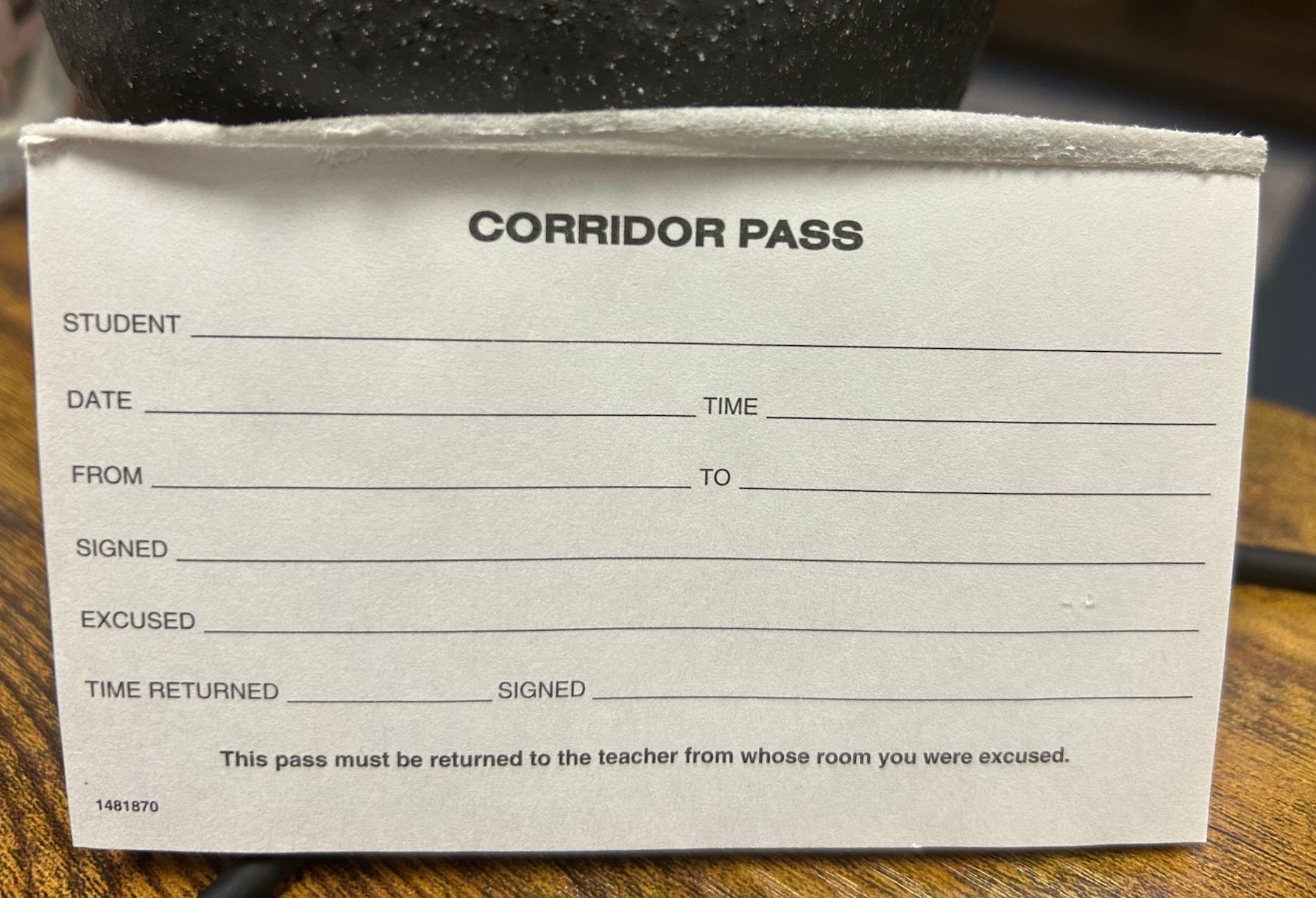
In just a few weeks people will go to vote for the next leader of our nation. Where they fall in class might influence what kind of ballot they cast. I fear they will vote out of anger and unhappiness. Blaming “them” - a faceless mass where everything wrong in their lives can simmer. The outcome won’t affect those who have been able to afford the economic twists and turns of life. But those who are in the thick of the grind will likely notice changes while perhaps overlooking the fact they might be voting against their own interests. There’s no pass out of class, unfortunately. So we will have to sit through this together.
Thank you for reading this idea in a letter. It would likely work much better as a conversation. I am going to try to be overly kind as the apprehension sets in for the next month. And listen to this song a few more times.
Warmly,
Traci